

Health Benefits of Shirataki Noodles
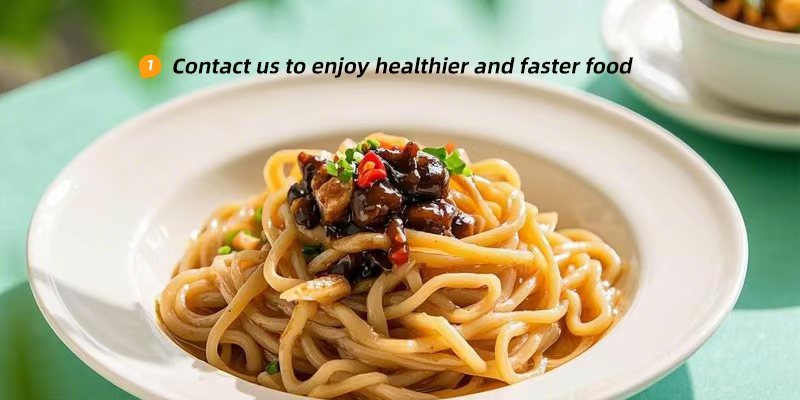
1. What is Shirataki Noodles
Shirataki noodles are a type of translucent, gelatinous noodle made primarily from the root of the Amorphophallus konjac (also known as konjac or devil’s tongue yam).
These noodles are often sold in water-filled bags and are very low in digestible carbohydrates and calories.
The name “shirataki” in Japanese means “white waterfall,” a reference to their appearance.

2. What are Shirataki Noodles Made Of
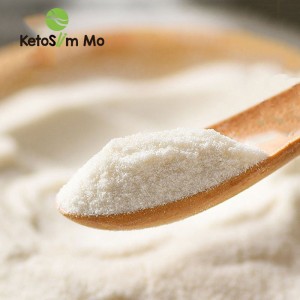
The basic composition of shirataki noodles is primarily water (often around 90 +%) and a small proportion of glucomannan fibre extracted from the konjac root.
Harvesting the konjac corm (root-stock) and converting it into flour or gel.
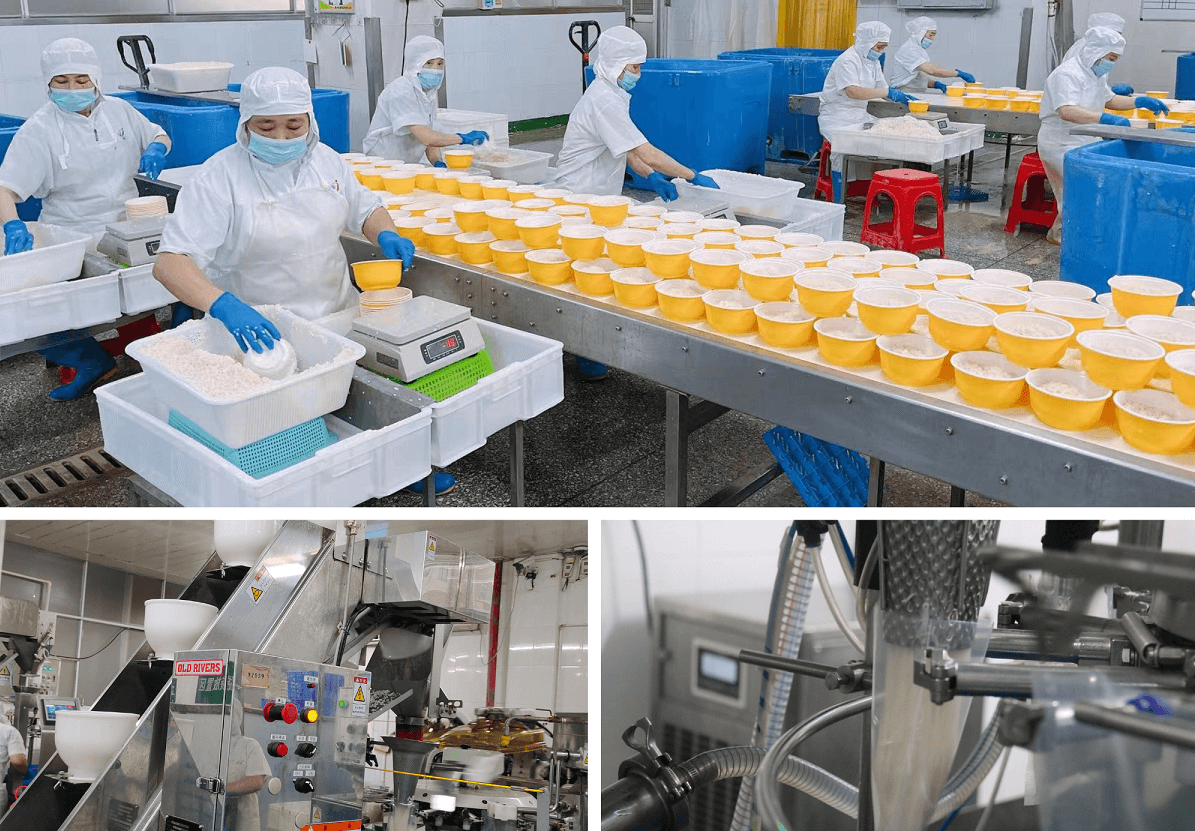
Mixing the konjac gel/flour with water (and sometimes a little calcium hydroxide or other setting agent) to form a noodle- or rice-like shape.
Packaging the noodle water-carbohydrate/ fibre mix so it can be sold and stored.
Because the glucomannan fibre is not digested like regular starch, the noodle ends up with very low metabolizable carbohydrate content.
3. What Do Shirataki Noodles Taste Like
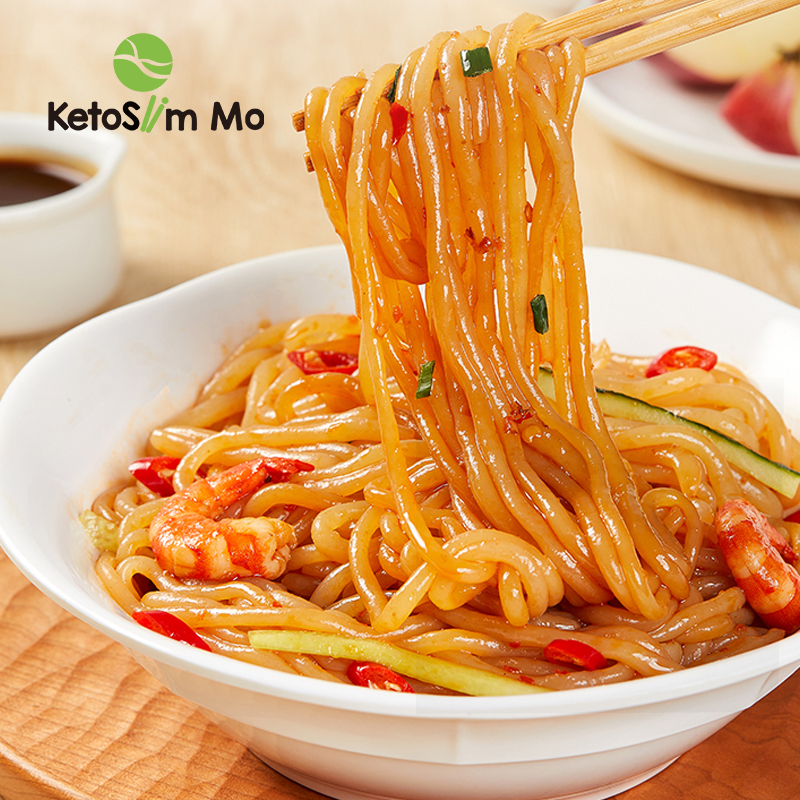
Shirataki noodles are quite neutral in flavour—they have very mild taste on their own and mainly adopt the flavour of whatever sauce or seasoning is used.
Texture-wise, they are somewhat chewy or “gel-like”, which some compare to a slightly firmer jelly or glass-noodle texture.
Because they come packaged in water, they may initially carry a slight “odour” or “fishy” scent (from the water or packaging) which many people rinse off before cooking.
When cooked (typically after rinsing / boiling briefly / sautéing) they serve as a base for dishes like stir-fry, soups, salads, or pasta substitutes, absorbing the flavours around them.
4. Health Benefits of Shirataki Noodles
Here are several of the key health benefits linked to shirataki (konjac-based) noodles, supported by research:
①Very low calorie and very low carbohydrate: Because the bulk is soluble fibre rather than digestible starch, a serving typically has very few usable calories or carbs.
②Supports blood sugar control: The glucomannan fibre slows digestion and absorption of carbohydrates, which can help moderate post-meal blood sugar spikes.
③May help with cholesterol & heart health: Some studies suggest that konjac-derived glucomannan fibre may reduce LDL (“bad”) cholesterol and total cholesterol.
④Promotes satiety / weight-management support: Because it expands in the gut and slows gastric emptying, it can help you feel full longer, which may aid in reducing calorie intake.
⑤Good for digestive / gut health: The fibre acts as a prebiotic (feeding beneficial gut bacteria) and supports regular bowel movements.
⑥Suitable for restricted diets: Shirataki is naturally gluten-free, often wheat-free and vegan-friendly (contains no eggs or dairy inherently) so it can be used in low-carb, keto, gluten-free, or vegan meal plans.
5. Nutritional Value of Shirataki Noodles
While shirataki noodles offer many functional benefits, nutritionally they are quite unique (and minimal) in terms of vitamins and minerals. Here is a typical profile:
Calories: very low (≈ 10–20 calories per serving)
Carbohydrates: minimal digestible carbs, most is fibre (glucomannan)
Protein: 0 g (unless added via tofu/shirataki-tofu blends)
Fat: 0 g (unless additional ingredients included)
Micronutrients: very few naturally present (some calcium may be present)
So while shirataki noodles are excellent as a low-calorie, low-carb base, they should be paired with nutrient-dense foods (vegetables, lean pr
6. Side Effects / Things to Be Aware Of
While generally safe and well-tolerated, several points warrant attention: Due to its high soluble fiber content (glucomannan), sudden high intake may cause bloating, flatulence, or loose stools.
In extremely rare cases, large intakes of konjac fiber (especially in dried form) may cause gastrointestinal obstruction due to its expansive properties. Since konjac flour contains almost no vitamins, minerals, or protein, relying solely on it as a staple food (or substituting it for a diverse diet) may lead to nutritional deficiencies.
For patients taking hypoglycemic medications, this fiber's ability to slow glucose absorption may cause blood sugar levels to drop lower than expected—thus requiring careful monitoring.
7. Shirataki Noodles Cooking Guide
Below are general steps for preparing Jade Noodles to achieve optimal texture and flavor:
Step 1: Remove noodles and drain packaging liquid.
Step 2: Rinse thoroughly under running cold water to remove packaging odor.
Step 3: (Optional but recommended) Boil or simmer gently for 2-3 minutes to enhance texture.
Step 4: Drain thoroughly, then pat dry or quickly stir-fry in a dry pan (no oil) to remove excess moisture and enhance the “noodle feel.”
Step 5: Use as you would regular noodles: add to stir-fries, soups, sauces, or salads. Their neutral flavor allows them to fully absorb sauces and seasonings.
8. Where to Buy
If you are looking to purchase high-quality shirataki noodles, consider our brand KetoSlimMo. We offer premium konjac-based noodles suitable for low carb, keto, gluten-free, vegan, and blood sugar-conscious diets.
You can buy KetoSlimMo shirataki noodles via our official website:https://www.foodkonjac.com/konjac-noodles/ or from authorised online retailers. We ensure each batch meets strict quality standards and is packaged to preserve freshness and texture
9. Conclusion
Shirataki noodles offer an excellent alternative to traditional high-carb noodles or rice: very low in calories and digestible carbs, rich in soluble fibre (glucomannan), and highly versatile in preparation. They support digestive health, help moderate blood sugar and cholesterol, and can bolster satiety and weight-management efforts. However, because they have minimal vitamins/protein, they work best when paired with nutrient-dense ingredients. If you’re following a low-carb, keto, or gluten-free diet — or simply seeking a healthier noodle substitute — shirataki from KetoSlimMo is a strong choice.
10. FAQ
Q1: Are shirataki noodles good for weight loss?
A: Yes — because they are very low in calories and carbs and high in fibre, they can help you feel full and reduce overall calorie intake.
Q2: Do shirataki noodles spike blood sugar?
A: No — they have minimal digestible carbohydrates and the glucomannan fibre helps slow carbohydrate absorption, which may reduce post-meal blood sugar spikes.
Q3: Can people with gluten intolerance / celiac eat shirataki noodles?
A: Yes — shirataki noodles are naturally gluten‐free and contain no wheat or eggs (unless added via other ingredients), making them suitable for many with gluten or egg concerns.
Q4: Do shirataki noodles taste like regular pasta or rice?
A: Not exactly — they are more neutral in taste and slightly chewy in texture, but when used with sauces or seasonings they can mimic pasta or rice in many dishes. Rinsing and proper preparation help improve texture and flavour absorption.
Q5: Are there any risks or side-effects of eating shirataki noodles?
A: There are few risks, but if you increase your fibre intake too quickly you may experience bloating, gas or loose stools. Also, because they provide very little protein or micronutrients, they should be paired with other nutrient-rich foods. If you take medications for blood sugar, check with your healthcare provider.

You Might Also Like These
Post time: Nov-04-2025