

High-Protein Pasta: Benefits, Nutrition, And Practicality
Table of Contents
1. Can high-protein pasta help with weight loss?
2. Can high-protein pasta promote muscle growth?
3. Is high-protein pasta considered a low-carb food?
4. Is high-protein pasta healthy?
5. Can I Eat High-Protein Pasta Every Day?
6. How Many Calories Are in High-Protein Pasta?
7. Which Foods Have the Highest Protein Content?
8. Does High-Protein Pasta Taste Different from Regular Pasta?
9. Are Plant-Based Protein Noodles Beneficial for Health?
10. Can Children Eat High-Protein Pasta?
11. Where Can I Buy High-Protein Pasta?
12. Conclusion

1. Can High-Protein Pasta Help With Weight Loss?
High-protein pasta can indeed be a helpful tool when you are aiming for weight loss. Because protein is known to increase satiety (you feel fuller for longer), a pasta that delivers significantly more protein than traditional wheat pasta can help reduce overall calorie intake. For example, many “protein pasta” products offer more protein and fiber, and fewer net carbs, compared to regular pasta.
By reducing hunger and stabilizing energy levels, high-protein pasta supports a calorie-controlled diet more easily. However, it’s not a magic bullet—portion size, total daily intake, and overall diet quality still matter.

2. Can High-Protein Pasta Support Muscle Gain?
Yes. For individuals focused on muscle maintenance or growth, increasing protein intake is important. High-protein pasta offers an easy way to boost protein in a familiar carbohydrate base. According to research, pastas made with legume or plant-protein flours have improved amino acid scores and higher protein content compared with
Still, muscle gain depends on overall protein quantity and quality, total training load, and overall diet — so high-protein pasta is a helpful component, not the whole solution.
3. Is High-Protein Pasta a Low-Carbohydrate Food?
Not always strictly “low-carb”, but many high-protein pastas offer reduced net digestible carbohydrates compared to traditional pasta. Because they often contain higher fibre and legume-based flours, the carbohydrate load per serving can be lower or more slowly absorbed.
If your goal is a low-carb diet, you’ll still want to check the nutrition label carefully. Some high-protein pastas are simply more protein-dense, without major carb reduction.
4. Is High-Protein Pasta Healthy?
High-protein pasta brings real nutritional benefits: increased protein, increased fiber (in many products), and often a better amino acid profile compared to standard pasta.
However, “healthy” depends on context — some high-protein pastas may include additives, or may not be significantly better than whole-grain pastas once you compare overall nutrition. It remains important to pair them with vegetables, lean proteins, and healthy fats for a balanced meal.
5. Can I Eat High-Protein Pasta Every Day?
Yes — eating high-protein pasta daily can be acceptable, provided you maintain variety in your diet and ensure you meet other nutrient needs (vitamins, minerals, fibre, etc.). Some experts note that relying on any one food item exclusively may risk imbalances.
To make the most of it, alternate with other carbohydrate sources (whole grains, vegetables) and ensure you include non-pasta meals as well.
6.How Many Calories Are in High-Protein Pasta?
The calorie count of high-protein pasta varies by product. Some legume-based or enriched pastas may have similar calorie counts to traditional pasta, but with higher protein and fibre.
For example, while standard wheat pasta may contain around ~200-220 calories per cooked cup, a high-protein version might offer similar calories but with, say, 12-25 g protein and more fibre — giving more nutritional “bang for buck”.
7. Which Foods Have the Highest Protein?
While high-protein pasta is a useful option, other foods typically deliver even higher absolute protein concentrations. Examples include lean meats (chicken breast, turkey), fish (salmon, tuna), eggs, dairy (Greek yogurt, cottage cheese) and legumes or soy products.
If you’re looking to maximise protein, combining high-protein pasta with a strong protein-rich topping (e.g., grilled chicken, tofu, beans) ensures a well-rounded meal.
8. Does High-Protein Pasta Taste Different Than Regular Pasta?
Yes — there can be noticeable differences in taste and texture. Many high-protein pastas made from lentils, chickpeas, peas or beans have a slightly “earthy” or legume-based flavour, and sometimes a firmer or chewier texture.
That said, some brands have succeeded in mimicking the look and feel of traditional pasta very closely. If you are new to it, start with al dente cooking, pair with rich sauces, and give your palate time to adapt.
9. Are Plant-Protein Pastas Beneficial for You?
Absolutely. Plant-protein pastas (made from chickpeas, lentils, peas, etc.) offer a strong profile: higher protein than regular pasta, higher fibre in many cases, gluten-free options, and diverse nutrients (iron, magnesium, folate) depending on the legume used.
They are particularly useful for vegetarian or vegan diets, or for anyone seeking to diversify protein sources and increase plant-based intake.
10. Can Children Eat High-Protein Pasta?
Yes — high-protein pasta can be appropriate for children as part of a balanced diet, assuming there are no food allergies or intolerances (e.g., legumes, gluten). When introducing new pasta types (especially legume-based), monitor for digestive tolerance (as fibre content may be higher).
Ensure that children’s meals still include a variety of whole foods: vegetables, lean proteins, healthy fats, and adequate micronutrients.
11. Where Can I Buy High-Protein Pasta?
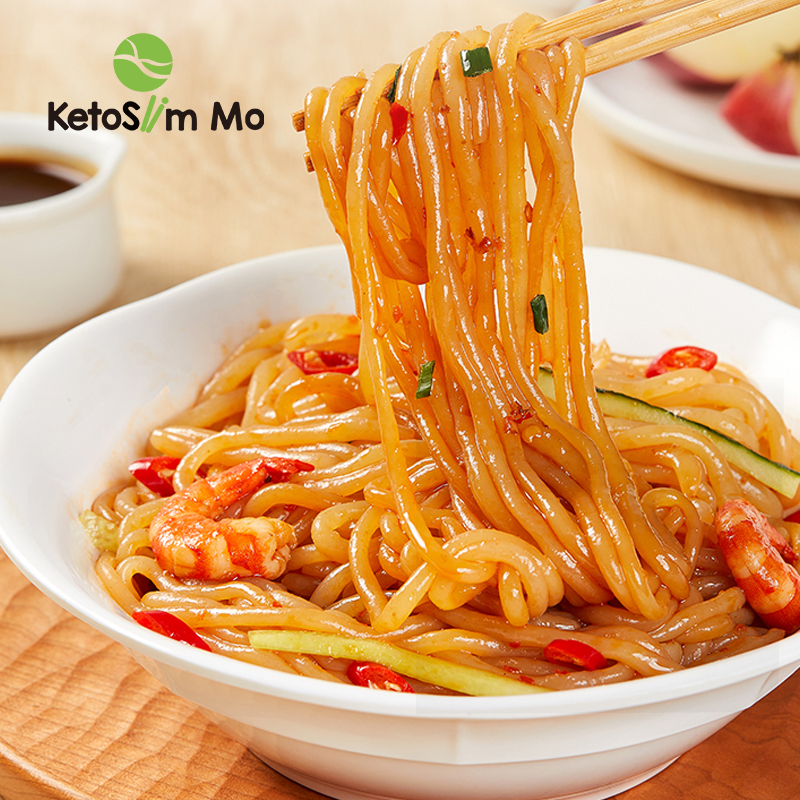
You can purchase KetoSlimMo konjac pasta directly from our website—simply visit our official store to browse our full product range.
The website is: foodkonjac.com,In addition, our pasta is also sold through major online platforms such as Alibaba.
Choose KetoSlimMo and enjoy a high-quality, high-protein, low-carb pasta alternative that perfectly matches your health goals and lifestyle.
12. Conclusion
High-protein pasta offers a compelling alternative to traditional wheat pasta: it can support weight-management, muscle-building, offer improved satiety, and contribute to a more nutrient-rich meal. While it is not a panacea, when paired with balanced ingredients and eaten in a varied diet, it can be a highly practical and beneficial carbohydrate option.
Ultimately, the best pasta is one that fits your taste, your nutritional goals, and your lifestyle — and high-protein versions give you more flexibility and potential benefit.
You Might Also Like These
Post time: Nov-11-2025