

Shirataki Rice Glycemic Index and Buying Guide
Shirataki rice, also known as konjac rice, has become a popular alternative to traditional rice for people seeking better blood sugar control and lower calorie intake. Made from the konjac root, this rice substitute offers unique nutritional and metabolic advantages. Below is a complete guide covering its glycemic index, health benefits, safety, and how to choose the right product.
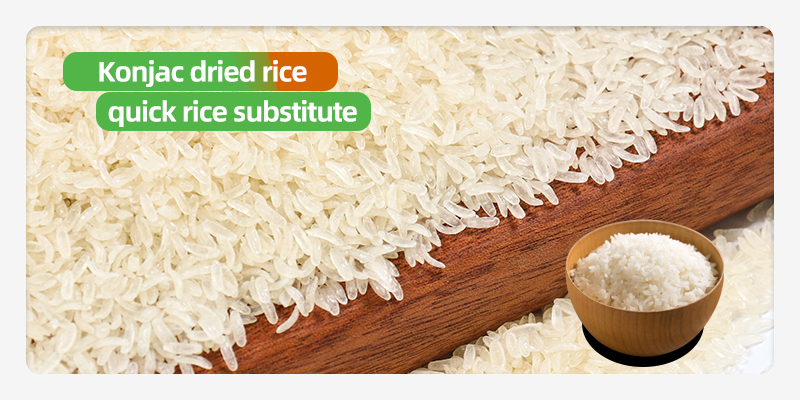
1. Glycemic Index (GI) of Shirataki Rice
The glycemic index (GI) measures how quickly a food raises blood sugar levels. Shirataki rice has an extremely low GI, often considered close to zero. This is because it contains very little digestible carbohydrate and is mainly composed of water and glucomannan, a soluble dietary fiber. As a result, shirataki rice causes minimal impact on post-meal blood glucose levels.
2. Can People with Diabetes Eat Shirataki Rice?
Yes, shirataki rice is generally suitable for people with diabetes. Its low GI and low net carbohydrate content help prevent sharp blood sugar spikes after meals. When used as a substitute for regular rice, it can support more stable glucose management. However, individuals with diabetes should still monitor portion sizes and overall meal composition.

3. Health Benefits of Shirataki Rice
①Shirataki rice offers several health-related benefits:
②Supports blood sugar stability due to its low GI
③Aids weight management with very low calorie content
④Promotes satiety because glucomannan absorbs water and expands in the stomach
⑤Supports digestive health by providing soluble fiber
⑥Diet-friendly for low-carb, keto, gluten-free, and plant-based diets
4. Nutritional Information of Shirataki Rice
While shirataki rice is not a significant source of protein or micronutrients, its nutritional value lies in what it lacks rather than what it contains. A typical serving is:
①Very low in calories
②Nearly fat-free
③Extremely low in digestible carbohydrates
④High in soluble dietary fiber
⑤Naturally gluten-free and sugar-free
This makes it ideal as a base food combined with nutrient-rich vegetables and proteins.
5. Shirataki Rice vs. Traditional Rice
Compared with white or brown rice, shirataki rice differs significantly:
Calories: Shirataki rice contains only a fraction of the calories
Carbohydrates: Traditional rice is high in carbs; shirataki rice is not
GI value: Traditional rice has a medium to high GI; shirataki rice is very low GI
Texture and taste: Shirataki rice has a neutral flavor and slightly chewy texture, absorbing sauces well
These differences make shirataki rice a functional alternative rather than a direct nutritional replacement.
6. Safety and Possible Side Effects
Shirataki rice is considered safe for most people when consumed properly. However, because it is high in fiber, some individuals may experience mild digestive discomfort if eaten in large amounts, especially at first. It is recommended to:
Drink plenty of water
Start with moderate portions
Chew thoroughly
People with swallowing difficulties should be cautious, as glucomannan-based foods expand when hydrated.Etary patterns, including plant-based and keto-friendly lifestyles.
7. Shirataki Rice Buying Guide
When choosing shirataki rice, consider the following factors:
Ingredient list: Look for simple ingredients such as konjac flour and water
Form: Available in wet-packed or dry formats depending on cooking preference
Texture quality: High-quality products should have firm, rice-like grains
Odor: A mild or neutral smell after rinsing indicates proper processing
Certifications: Check for food safety, gluten-free, or export certifications if relevant
Choosing a reliable supplier ensures consistent quality, better texture, and safe consumption.
Conclusion
Shirataki rice stands out as a low-GI, low-calorie alternative to traditional rice, offering benefits for blood sugar control, weight management, and dietary flexibility. With the right preparation and careful product selection, it can be a practical addition to a balanced, health-conscious diet.

You Might Also Like These
Post time: Jan-26-2026