

Konjac Pearls vs Boba
Boba (or “tapioca pearls”): these are the classic chewy balls at the bottom of bubble tea, made from tapioca (cassava) starch. They are cooked (boiled) and often sweetened with syrup before being served. They have a dense, gummy, chewy texture and tend to absorb flavors of the drink.
Konjac Pearls (sometimes called “crystal boba” or “konjac boba”): these are pearls made from the konjac plant (konjac flour / glucomannan), not tapioca. They have a jelly-like or gelatinous texture, are often translucent/clear, and are significantly lighter (in calories and carbs) than traditional boba. They are frequently ready-to-use (no cooking required).
In short: boba = tapioca-based chewy pearls; konjac pearls = plant-based jelly pearls, often lower-cal and lighter texture.
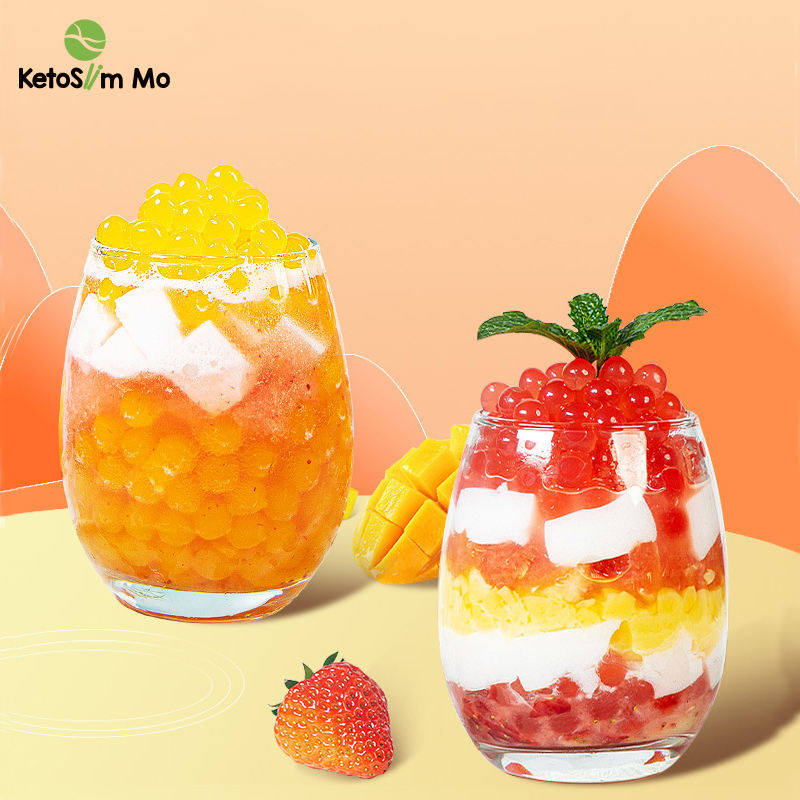
2. Key Differences Between Konjac Pearls and Boba
Because of these differences, konjac pearls offer a lighter, more diet-friendly alternative to traditional boba, while still giving a “pearls-in-drink” texture — albeit different in feel.
3. Market Trends for Konjac Pearls
Rapid global growth: The global “konjac boba pearls” market — covering konjac-based pearls used in drinks, desserts, and other foods — was estimated at about US$420 million in 2024, and is forecast to grow to around US$1.15 billion by 2033, with a compound annual growth rate (CAGR) of roughly 11.6% during 2025–2033.
Health-driven demand: A key engine of that growth is increasing consumer demand for “healthier” alternatives to traditional tapioca pearls — specifically lower-calorie, high-fiber, gluten-free, vegan-friendly options. Konjac pearls match those needs well.
Food & beverage diversification: Originally popular in bubble tea and specialty drinks, konjac pearls are now being used more widely — not only in cafés but also in home-based beverages/improved snacks, diet-conscious meal kits, and functional foods. The broader market for konjac-based products is expanding.
Regional expansion beyond Asia: While Asia-Pacific remains the largest market (thanks to established bubble-tea culture and long konjac tradition) , demand in North America and Europe is climbing — driven by growing health, vegan and low-carb food trends.
Innovation & product development: Manufacturers are improving konjac processing and gel textures, creating flavored or “crystal-pearl” variants, expanding shelf stability, and making production more efficient — which helps integrate konjac pearls into more product lines and make them more appealing to mainstream consumers

4. Typical Use Cases & Applications
Tapioca Boba (traditional boba):
-Classic bubble tea / milk tea (milk-based or creamy teas) — the chewy texture complements richer drinks.
-Warm or cold milk teas, brown-sugar milk teas, dessert drinks.
-Places where the “traditional boba experience” (chewy, chewy + drink) is desired — cafés, dine-in bubble tea shops.
Konjac Pearls (Crystal boba / konjac boba):
-Lower-calorie or health-conscious versions of bubble tea / fruit tea / milk tea — suitable for diet-conscious consumers.
-Fruit teas, light teas, smoothies, yogurt-based drinks, low-sugar or low-carb beverages.
-Ready-to-serve drinks, pre-packaged beverage kits, bottled drinks — where convenience and shelf-stability are important.
-Vegan, gluten-free, or dietary-restricted drinks, as konjac pearls are plant-based and typically gluten-free.
In many modern bubble-tea menus, both choices may be offered: “classic tapioca pearls” for the traditional experience, and “konjac / crystal pearls” for a lighter, healthier alternative.
5. How to Select a Good Supplier — And Why KetoSlimMo
When you consider sourcing pearls for drinks or products, it’s important to evaluate supplier carefully. Here’s what to look for — and why KetoSlimMo stands out:
Ingredient quality: Good konjac pearls should use high-quality konjac flour / glucomannan, and avoid unnecessary fillers, heavy starches or overly sugary syrups. KetoSlimMo uses natural konjac-based formulations, focusing on low carbs and clean ingredients.
Nutritional profile: Choose pearls with low calories, low sugar, low fat, and ideally with fiber — especially if targeting health-conscious customers. KetoSlimMo’s pearls are marketed as low-calorie, sugar-free, and low-carb — making them suitable for weight-management, keto, or low-sugar diets.
Convenience / ease-of-use: Suppliers that deliver ready-to-use pearls (no cooking needed) are ideal for commercial drinks, take-out, or pre-mixed products. Many konjac pearls from reputable suppliers (including KetoSlimMo) come pre-packaged and ready — no boiling or long prep.
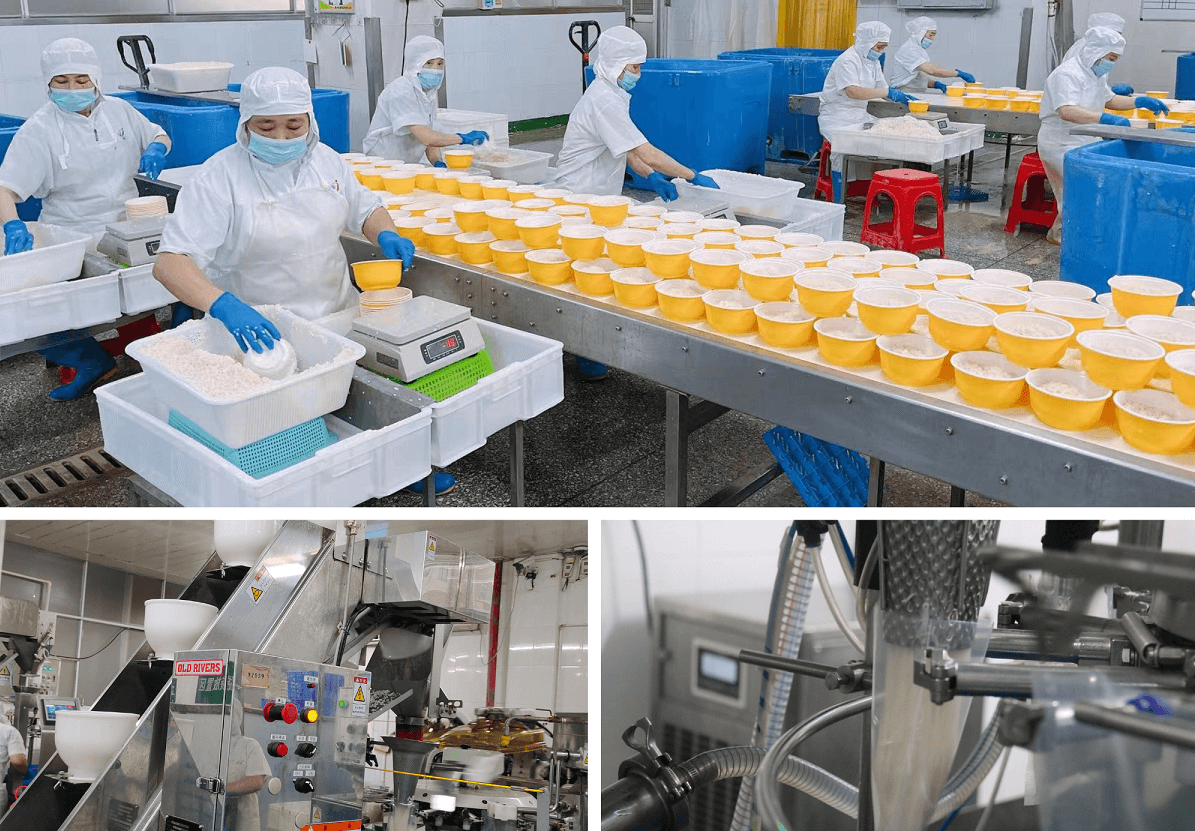
Food safety & certifications: The supplier should follow good manufacturing practices, and provide clear labeling, hygiene standards, and — if exporting — compliance with regulations. KetoSlimMo, according to its site, operates a large facility and offers wholesale/retail supply, which suggests capacity for consistent quality and bulk production.
Suitability for brand positioning: If your product brand aims at “health, low-cal, low-carb, modern lifestyle,” konjac pearls from a supplier like KetoSlimMo match that image well. Conversely, for a “traditional boba” vibe, traditional tapioca pearls may be preferred.
Thus, if you want a pearl supplier that balances health, quality, convenience and scalability — KetoSlimMo is a strong candidate.
6. FAQ —Common Questions About Konjac Pearls vs Boba
Q1: Are konjac pearls and traditional boba pearls interchangeable in drinks?
A: Functionally yes — both can be added to bubble tea, milk tea, fruit tea, yogurt drinks or desserts. However, texture and nutrition differ, so the drinking experience will feel different.
Q2: Are konjac pearls healthier than tapioca boba?
A: Usually yes — konjac pearls tend to have fewer calories, fewer digestible carbs, more fiber, and often zero sugar/fat, making them more diet-friendly.
Q3: Do konjac pearls need to be cooked before use, like tapioca pearls?
A: No — most konjac pearls (crystal boba) come pre-made and ready to use; no boiling or cooking is necessary.
Q4: Will konjac pearls satisfy the “chewy boba” texture cravings?
A: Their texture is softer / more gelatinous and less dense than tapioca pearls — so they offer a different sensation: lighter, gentler chew rather than the dense “QQ chew.” Some may prefer konjac’s texture, others prefer the classic chew.
Q5: Are konjac pearls suitable for special diets (vegan, gluten-free, low-calorie)?
A: Yes — konjac pearls are plant-based, typically gluten-free, low-carb, and often contain little or no sugar or fat. They fit vegan, keto, gluten-free, or calorie-conscious diets well.
Q6: What should I check when buying pearls for my business or personal use?
A: Look at ingredient list (konjac flour vs tapioca), nutritional info (calories, sugar, carbs), whether pearls come ready-to-use or need cooking, shelf-stability, supplier quality — and choose depending on your dietary goals or brand identity. A brand like KetoSlimMo checks many of these boxes (low-carb, ready-to-use, quality supplier).
7.Conclusion
Both konjac pearls and traditional tapioca boba pearls have their place in the bubble tea / beverage world. Traditional boba offers the classic chewy experience cherished by many, while konjac pearls bring a lighter, more diet-friendly, and convenient alternative — especially appealing for health-conscious, low-calorie or low-carb consumers.
If you’re looking for a supplier combining health benefits, quality, and convenience — KetoSlimMo stands out with konjac-based pearls designed for modern lifestyle drinks. Choosing the right pearl comes down to the texture you want, your nutritional goals, and the drink experience you aim to deliver.
You Might Also Like These
Post time: Dec-05-2025