

Konjac: The Versatile and Healthy Superfood from Asia
Konjac (Amorphophallus konjac), also known as elephant yam or voodoo lily, is a plant native to parts of Asia. Its edible part is the corm (root), which is processed into a variety of foods. What makes konjac remarkable is its very high content of glucomannan, a soluble dietary fiber, combined with its extremely low caloric density.
Because konjac is over 90% water (in some processed forms up to ~96–97 %) and very low in digestible carbs, it has long been used in traditional Asian cuisine — and more recently, as a modern “superfood” for health-conscious people.
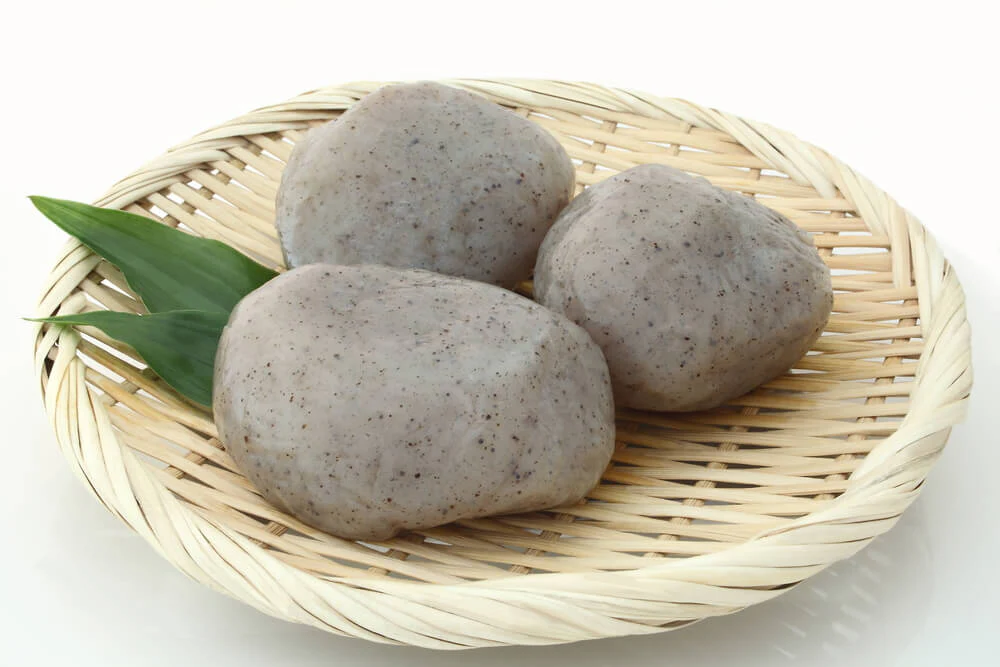
2.What Can Konjac Be Made Into
Konjac’s unique texture and fiber make it extremely versatile. Here are some of its most popular food forms:
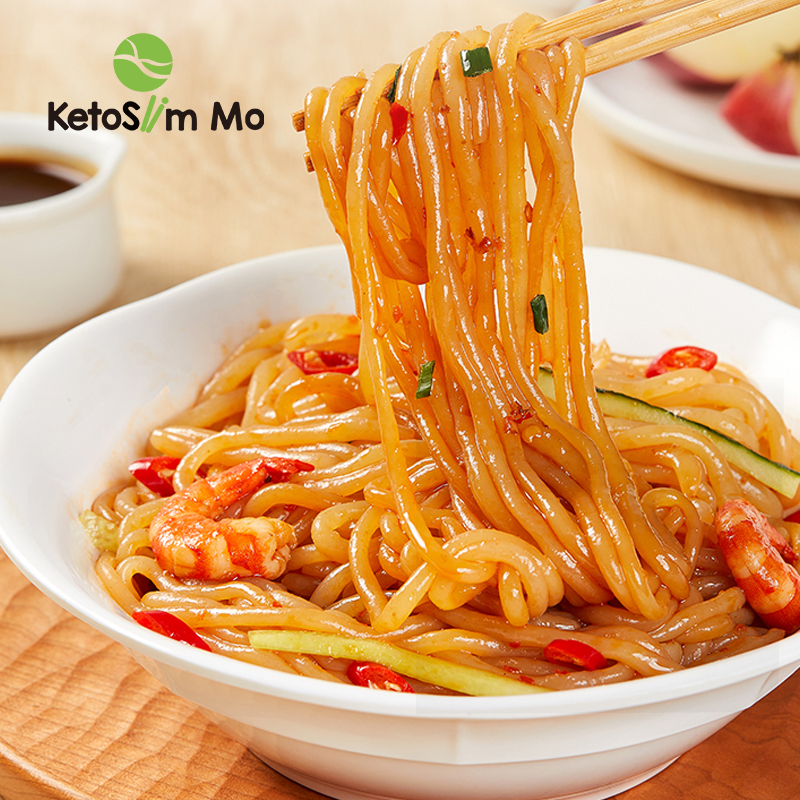
Shirataki (Konjac) Noodles
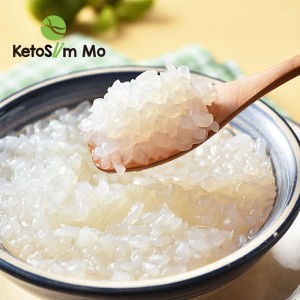
Konjac Rice
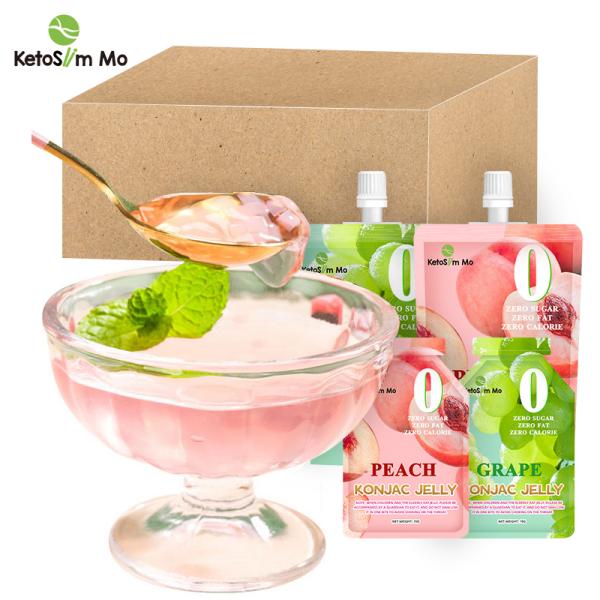
Konjac Jelly
Konjac Snacks
Konjac Sponge
Here is a breakdown of each:
Shirataki Noodles: These translucent, chewy noodles are made by blending konjac flour with water and a setting agent, forming long noodle strands. They are nearly calorie-free and very low in carbohydrate.
Konjac Rice: Resembling rice grains, konjac rice is made from konjac gel formed into small granules. It’s an excellent low-calorie rice alternative.
Konjac Jelly: Konjac flour can form a gel when cooked, giving a jelly-like substance that can be flavored. It’s commonly found in Asian desserts or healthy snack pouches.
Konjac Snacks: Because konjac can set into different textures, it’s used in snack foods — chewy bites, chips, or sweets that leverage its fiber content.
Konjac Sponge: Interestingly, konjac is also used in beauty and skincare: konjac sponges are made from konjac fibers, which when soaked, become a soft, gentle cleansing tool.

3. Nutritional Value & Health Benefits of Konjac
Konjac offers a number of important health benefits, primarily due to its high glucomannan content:
Rich in Soluble Fiber: Glucomannan is a highly viscous, water-soluble fiber.
Weight Management Support: The fiber can absorb large amounts of water, expanding in the stomach to promote fullness and reduce overall calorie intake.
Blood Sugar Control: Because konjac is very low in digestible carbs and high in fiber, it helps slow down the absorption of glucose, which supports more stable blood sugar.
Cholesterol Reduction: Studies suggest that glucomannan may help lower LDL cholesterol and total cholesterol.
Digestive & Gut Health: Konjac fiber acts as a prebiotic, feeding beneficial gut bacteria, while also easing bowel regularity.
Very Low Calorie: Because most of konjac is water and fiber, its caloric value is very low (some sources cite as little as 5–7 kcal per 100 g in konjac products).
However, there are some precautions: consuming too much konjac too quickly may cause bloating, gas or digestive discomfort.
Healthline
Also, konjac (especially in jelly or supplement form) can expand with water, so choking risk is a real concern if not consumed carefully.
4. Konjac Recipe Ideas
Here are simple ways to use konjac in your kitchen, using three popular konjac-based foods:
①Shirataki (Konjac) Noodle Stir-Fry
Rinse shirataki noodles thoroughly under cold water (to remove any packaging liquid smell).
Drain and dry-sauté in a non-stick pan for a few minutes to improve the texture.
Add vegetables (e.g., bell peppers, mushrooms), a protein (tofu, chicken, shrimp) and a flavorful sauce (soy sauce + sesame oil + garlic) for a low-calorie, high-fiber stir-fry.
②Konjac Rice Pilaf
Drain and rinse konjac rice.
In a saucepan, lightly sauté onion and garlic in olive oil, then add konjac rice and a little vegetable or chicken broth.
Simmer for 3–4 minutes until liquid is mostly absorbed, then stir in cooked peas, carrots or other vegetables. Season with salt, pepper, and herbs.
③Konjac Jelly Dessert
Use konjac-flour-based jelly powder or ready konjac jelly.
If you make from powder: dissolve the konjac powder in water, add a sweetener (like stevia or fruit juice), gently heat to activate gelling, then pour into molds and chill in the fridge until set.
Serve with berries or a splash of citrus juice for a refreshing, low-calorie dessert.
5. Conclusion
Konjac is a truly versatile superfood from Asia — its root can be transformed into noodles, rice alternatives, jellies, snacks.
You Might Also Like These
Post time: Nov-21-2025