
Konjac Powder Vs Xanthan Gum: A Buyer’s Guide for China Manufacturers
When it comes to thickening agents, I often find myself comparing Konjac Powder and Xanthan Gum, especially for my needs in food production. Both have unique properties, but I’ve noticed that Konjac Powder, sourced from premium Chinese manufacturers, offers a fantastic alternative for vegan and gluten-free products. Its natural gelling capabilities give that lovely texture without the additives that some may be wary of. Xanthan Gum, on the other hand, is great for stability in dressings and sauces, but sometimes it can feel a bit too processed for my taste. With Konjac, I appreciate the health benefits as well—lower calories and dietary fiber are always a plus. If you’re in the market for high-quality ingredients, I recommend sourcing Konjac Powder from reputable Chinese manufacturers. It’s a game changer for enhancing my products, delivering results that keep my customers coming back.



Konjac Powder Vs Xanthan Gum Is The Best Industry Giant
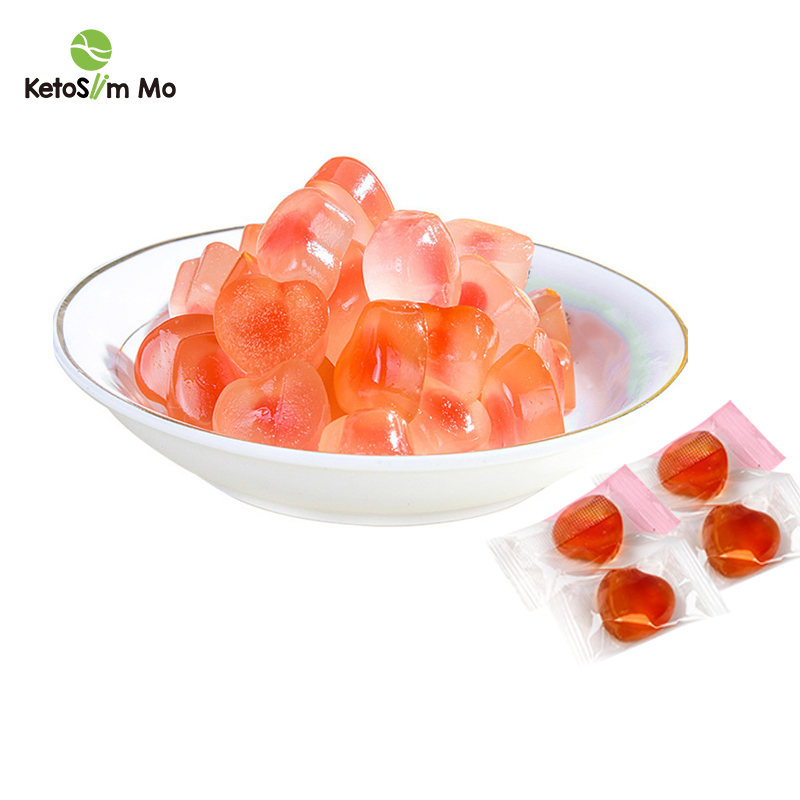
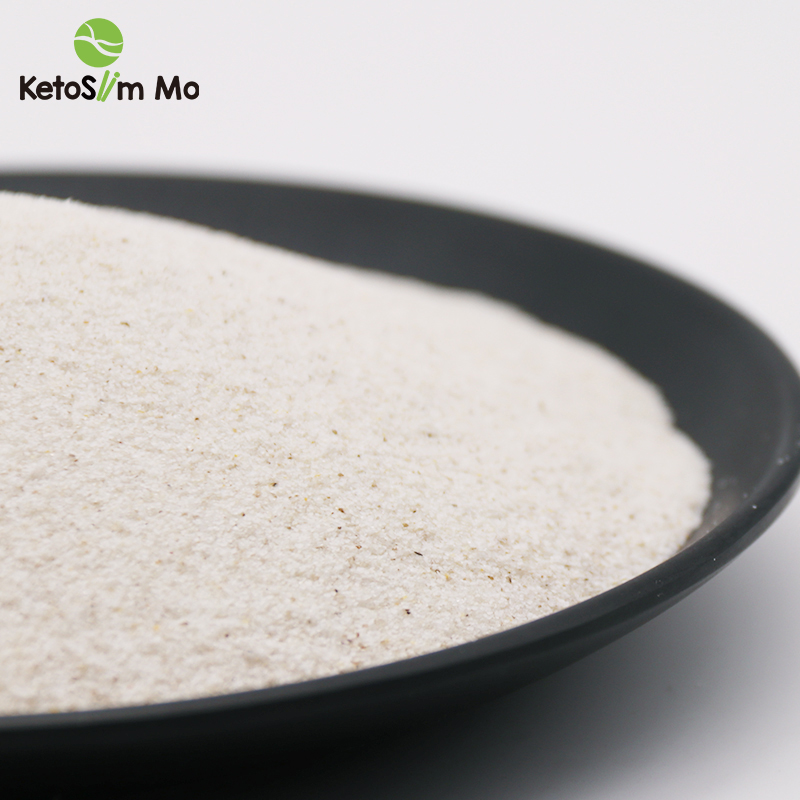
When it comes to food additives, both konjac powder and xanthan gum have secured their places as favorite choices among manufacturers worldwide. Each has unique properties that cater to various applications, making them essential for businesses in the food industry. Konjac powder, derived from the root of the konjac plant, is especially valued for its natural thickening and gelling capabilities. This makes it an exceptional ingredient in products requiring a smooth texture, such as sauces, desserts, and dairy alternatives. Its low calorie content and high fiber level also cater to the growing demand for healthier food options. On the other hand, xanthan gum, produced through the fermentation of sugars, is renowned for its ability to stabilize and emulsify. This versatile additive offers superior functionality in a wide range of applications, from baked goods to salad dressings. Its effectiveness in maintaining product consistency makes it a staple for many manufacturers. As global consumer preferences shift towards clean labels and plant-based ingredients, both konjac powder and xanthan gum present lucrative opportunities for suppliers looking to enhance their product formulations. Understanding the benefits and applications of each ingredient is crucial for procurement specialists seeking to innovate and compete in the ever-evolving food market. By leveraging the unique properties of konjac powder and xanthan gum, businesses can meet consumer demands for quality, texture, and healthiness while positioning themselves as industry leaders. As these ingredients continue to gain traction, thoughtful incorporation into product lines can provide a significant edge in an increasingly competitive landscape.
Konjac Powder Vs Xanthan Gum Is The Best Industry Giant
| Property | Konjac Powder | Xanthan Gum |
|---|---|---|
| Source | Konjac root | Xanthomonas campestris bacteria |
| Thickening Power | High | Very high |
| Gel Formation | Forms gel in water | Forms gel with sugar and salt |
| Solubility | Hot water soluble | Cold and hot water soluble |
| Texture | Smooth, jelly-like | Creamy, viscous |
| Uses | Food products, dietary supplements | Food, cosmetics, pharmaceuticals |
| Health Benefits | High in fiber, aids digestion | May improve gut health |
| Caloric Content (per 100g) | 9 kcal | 337 kcal |
Related Products


Konjac Powder Vs Xanthan Gum Guarantees Peak Performance From Concept to Delivery
Top Selling Products





- Related Blog
- Reviews
