
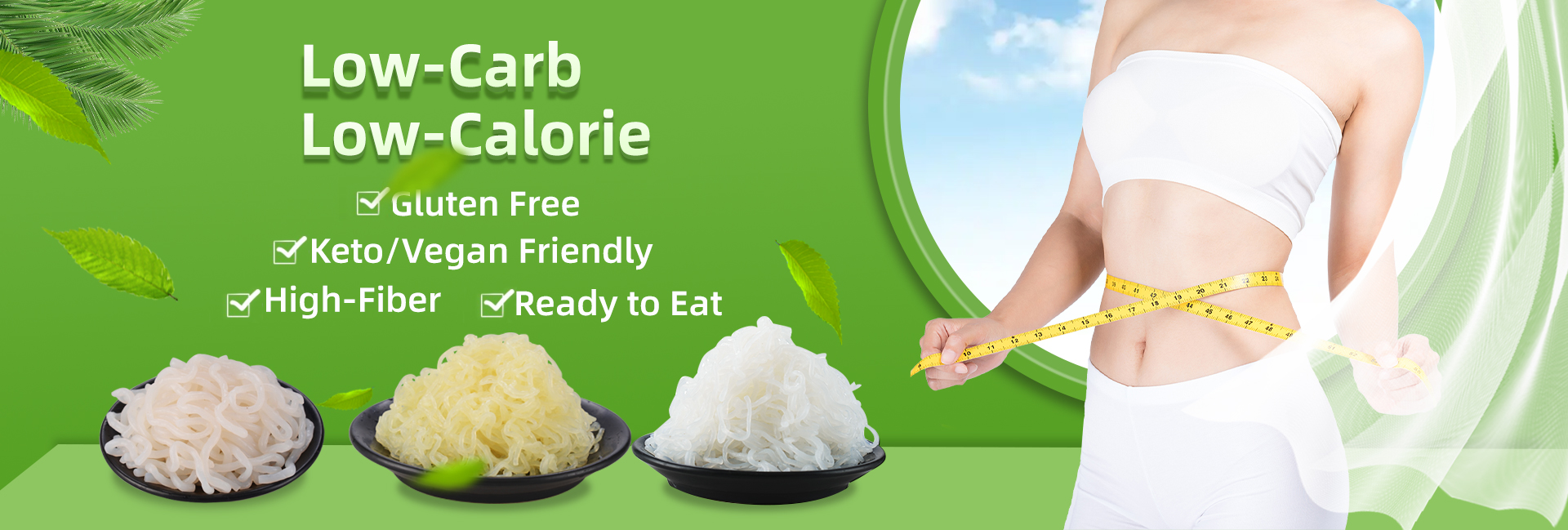
Good Substitute For Rice: Wholesale Options from Top Manufacturers
Are you in search of a good substitute for rice that your customers will love? Our product is the perfect fit for wholesalers and manufacturers looking to diversify their offerings. With its impressive nutritional profile and incredible versatility, this alternative adds an exciting twist to traditional dishes. I’ve seen firsthand how this rice substitute can seamlessly integrate into a variety of recipes, providing excellent taste and texture while meeting dietary preferences. It’s not just about replacing rice; it’s about enhancing your product range. Our competitive pricing makes bulk orders easy, allowing you to maximize profit margins without compromising quality. Whether you’re supplying restaurants or grocery stores, our rice substitute is an excellent choice that’s sure to attract health-conscious consumers. Join me in connecting with a healthier future for meals and your business. Let’s elevate your brand together with a product that stands out in today’s market!
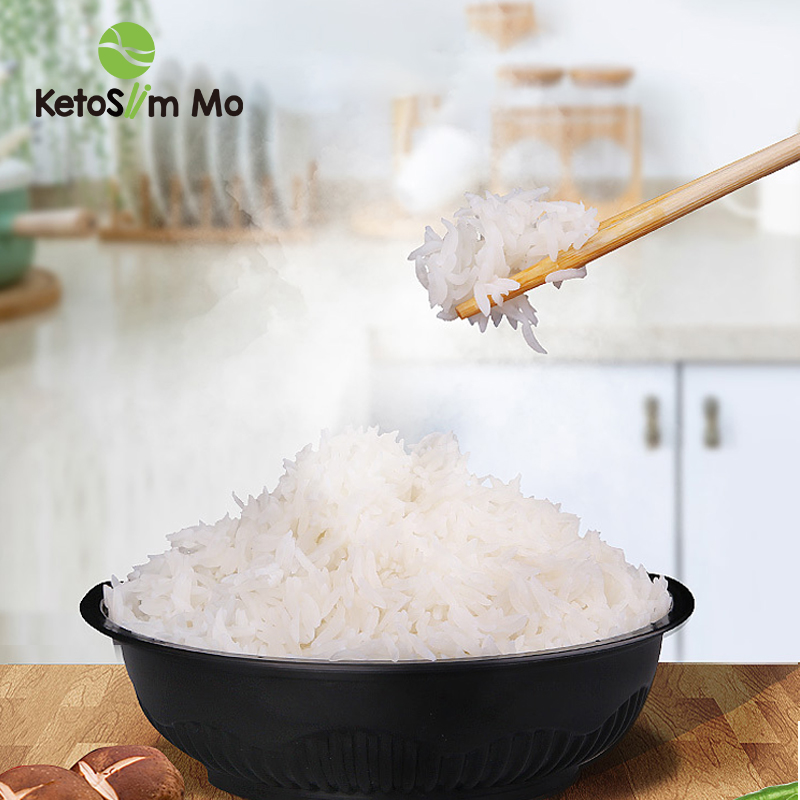


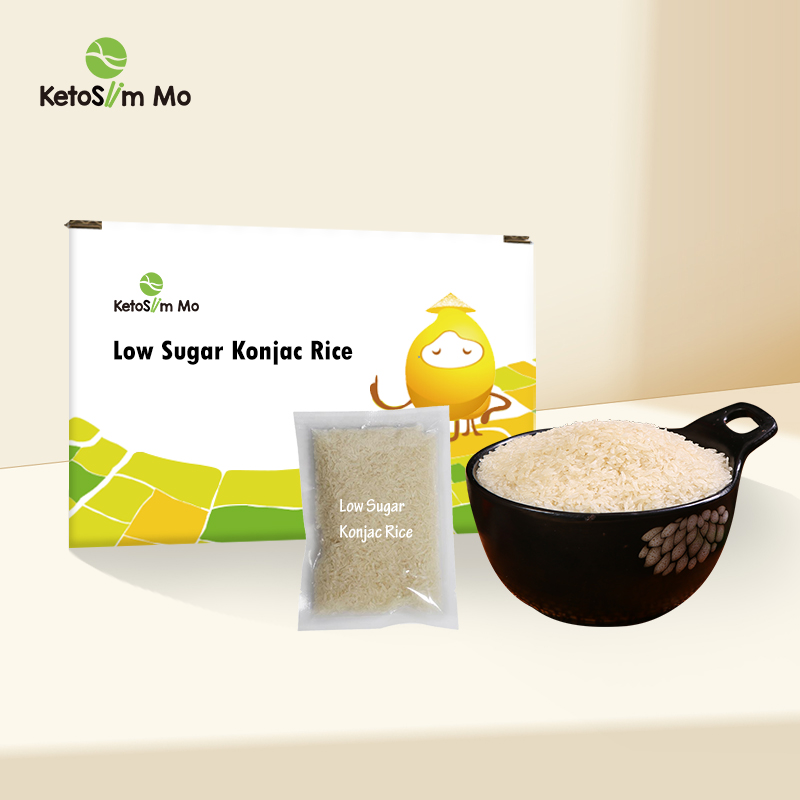
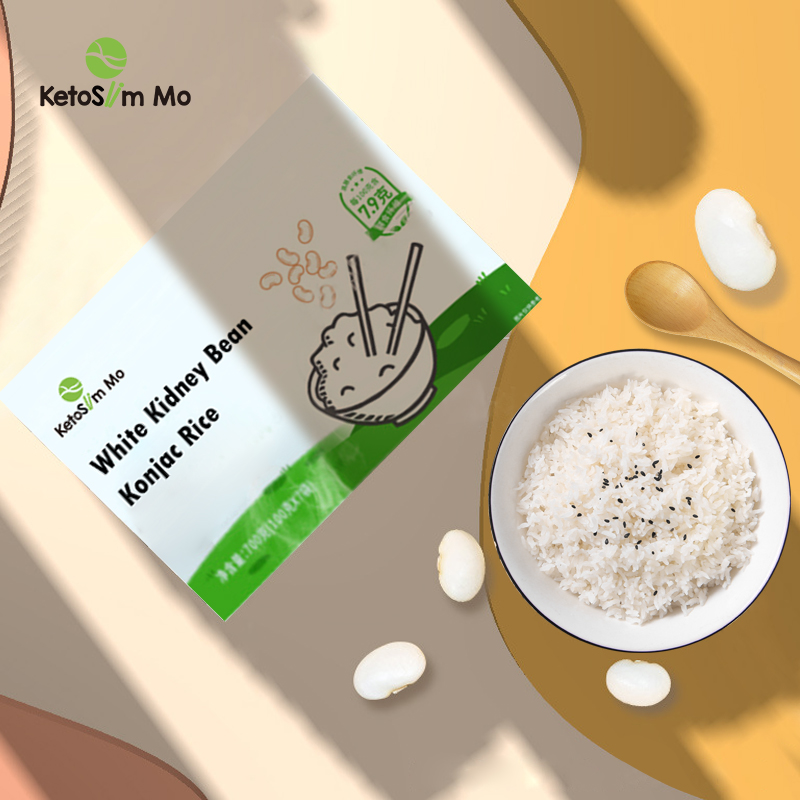
Good Substitute For Rice Winning in 2025 From Concept to Delivery
As the global food market continues to evolve, the demand for healthy and innovative alternatives to traditional staples like rice is on the rise. The year 2025 is anticipated to witness a significant transformation in consumer preferences, with an increasing focus on nutritious options that support a balanced diet. This is where new and exciting substitutes for rice are stepping into the spotlight, setting the stage for a revolution in culinary creativity and nutrition. One promising concept is the development of plant-based rice alternatives, crafted from a blend of grains, legumes, and vegetables. These alternatives not only provide essential nutrients but also cater to the growing population of health-conscious consumers and those with dietary restrictions. They are gluten-free, rich in fiber, and often lower in calories than their traditional counterparts. As awareness about sustainable eating practices rises, these substitutes offer an eco-friendly option that caters to diverse dietary needs while being easy to integrate into various cuisines. To ensure successful delivery of these innovative products by 2025, collaboration between producers, suppliers, and distributors is crucial. Fostering partnerships and investing in state-of-the-art manufacturing processes will enable businesses to efficiently scale up production while maintaining quality. As the market shifts, embracing these alternatives is not only a strategic move for suppliers but also a commitment to promoting a healthier, more sustainable future in global gastronomy.
Good Substitute For Rice Winning in 2025 From Concept to Delivery
| Substitute | Nutritional Value (per 100g) | Preparation Time | Culinary Uses | Environmental Impact |
|---|---|---|---|---|
| Quinoa | 120 kcal, 4g protein, 2g fat, 21g carbs | 15 minutes | Salads, bowls, stir-fries | Low |
| Cauliflower Rice | 25 kcal, 2g protein, 0g fat, 5g carbs | 10 minutes | Stir-fries, sushi, bowls | Very Low |
| Brown Rice | 111 kcal, 2.6g protein, 0.9g fat, 23g carbs | 45 minutes | Side dishes, bowls, salads | Moderate |
| Pearled Barley | 123 kcal, 2.3g protein, 0.4g fat, 28g carbs | 30 minutes | Soups, salads, risottos | Low |
| Chickpea Rice | 164 kcal, 8.9g protein, 2.6g fat, 27g carbs | 20 minutes | Bowls, salads, curry | Low |
Related Products


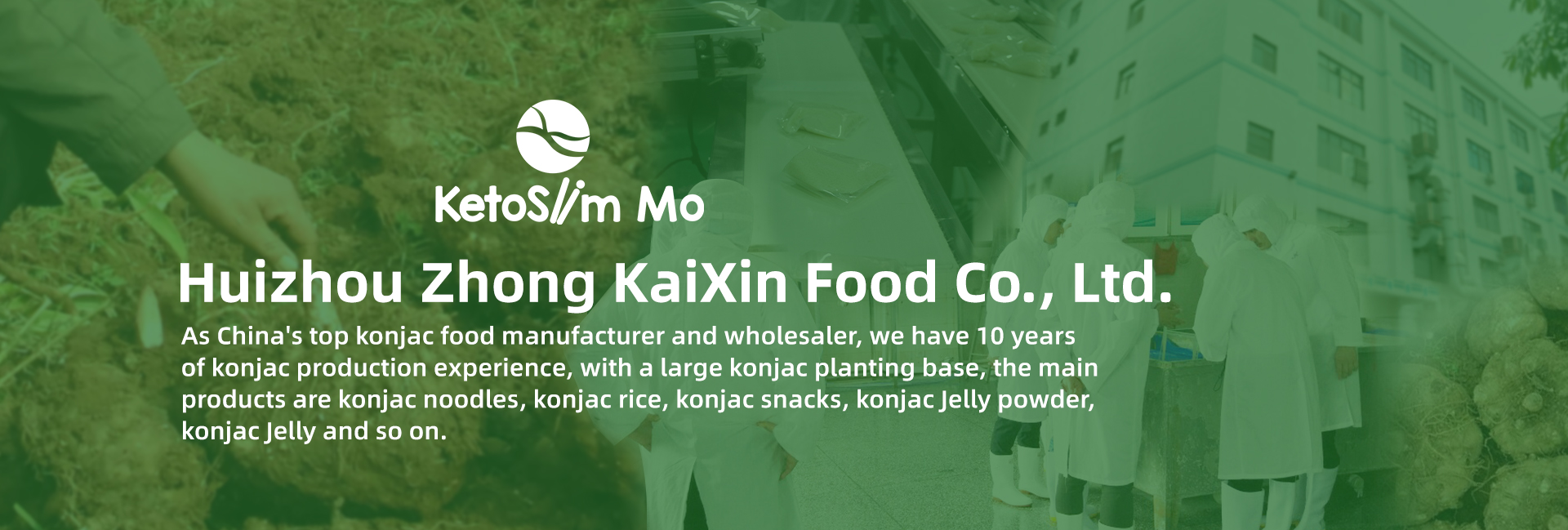
Good Substitute For Rice Where Service Meets Innovation More Than a Supplier - A Partner
Top Selling Products




- Related Blog
- Reviews
