

Are There Any Halal-Certified Konjac Noodles?
Halal certification refers to certification standards that comply with Islamic teachings and food preparation practices. For Muslim consumers, halal certification is one of the important factors in their food choices. Halal-certified food must comply with Islamic food regulations, including using halal-certified raw materials, complying with halal-certified preparation methods, and passing halal-certified supervision and inspection.
As wholesale konjac food suppliers, we understand that halal certificate is crucial for Muslim buyers. We are very happy to report that the konjac noodles available on our website have passed the strict Halal certificate process to guarantee that our products meet the prerequisites of Halal food.
What is halal konjac noodles?
Halal certification is a certification standard that guarantees that food meets the requirements of Sharia law. It covers the prerequisites from the identification and acquisition of food raw materials to the management of handling, preparation and production cycles to ensure food is Shari'ah compliant. The Halal certification mark is an important symbol that Muslim shoppers look for when purchasing food because it emphasizes the authenticity and consistency of the food.
Halal konjac noodles should meet the following preparation standards and requirements:
Halal certification of raw materials: The raw materials used in halal konjac noodles should be halal guaranteed, including konjac powder, seasonings and additives. These raw materials should follow Islamic food guidelines and should not contain any excluded or dangerous ingredients.
Halal certification of the production cycle: Factories providing Halal-guaranteed konjac noodles should comply with Halal-guaranteed safe preparation methods and regulations. This includes using Halal-certified equipment and tools during preparation and following Halal-certified operating procedures to ensure the product is not damaged or contaminated by non-Islamic ingredients.
Supervision and review of halal certification: Halal konjac noodles need to be regulated and reviewed by a halal certification body or a strict Muslim association. These organizations will review and inspect the creation cycle to ensure that the product meets the guidelines and requirements for halal certification. They will award the Halal certification mark to confirm that the product meets the certificate requirements.
Why Halal Food Matters?
Halal food isn’t just about religious rules for Muslims — it also represents high standards of hygiene, ethical sourcing, and transparency in food production.
Because halal-certified products must avoid prohibited items (like pork, alcohol, or non-halal slaughter), and must follow strict preparation and supply-chain standards, consumers often view halal as a sign of clean, safe, and responsibly produced food.
For businesses, offering halal-certified products opens the door to a large and growing global market — with roughly two billion Muslims worldwide whose dietary laws require halal, plus many non-Muslim consumers increasingly choosing halal for its quality and ethical standards.
Moreover, halal certification builds consumer trust and brand credibility: when people see the halal logo or certification, they know the product has been vetted for compliance, cleanliness, transparent sourcing, and ethical processing — which can increase loyalty, repeat purchases, and wider appeal beyond just religious needs.
In short: Halal food matters because it meets spiritual/religious requirements for many, while also appealing broadly as a symbol of quality, safety, ethics, and inclusivity — making it important in both personal diets and the global food market.
Which foods are prohibited in halal food?
Under Islamic dietary laws, certain foods and ingredients are strictly forbidden — i.e. considered “haram.” The most fundamental prohibitions include pork and all pork-derived products (like bacon, ham, lard, sausages) — these can never be consumed.
Also prohibited is alcohol and any intoxicating substances, including alcoholic beverages, spirits, and even foods or flavorings made with alcohol (e.g. some sauces, extracts).
Other forbidden items include blood and blood by-products, as well as meat from animals that died naturally, were not properly slaughtered, or were slaughtered without invoking the required Islamic blessing and blood-draining process.
Additionally, many processed foods can be haram if they contain gelatin, enzymes, or additives derived from non-halal animals, or fats/shortenings from forbidden sources.
In practice, this means Muslims need to read labels carefully: any suspicious ingredient — pork, gelatin, lard, alcohol, questionable animal fat — should exclude a food from being halal.
Find Halal Konjac Noodles Suppliers
Get Ketoslim Mo Quote
Which konjac noodles from Ketoslim Mo are certified halal?
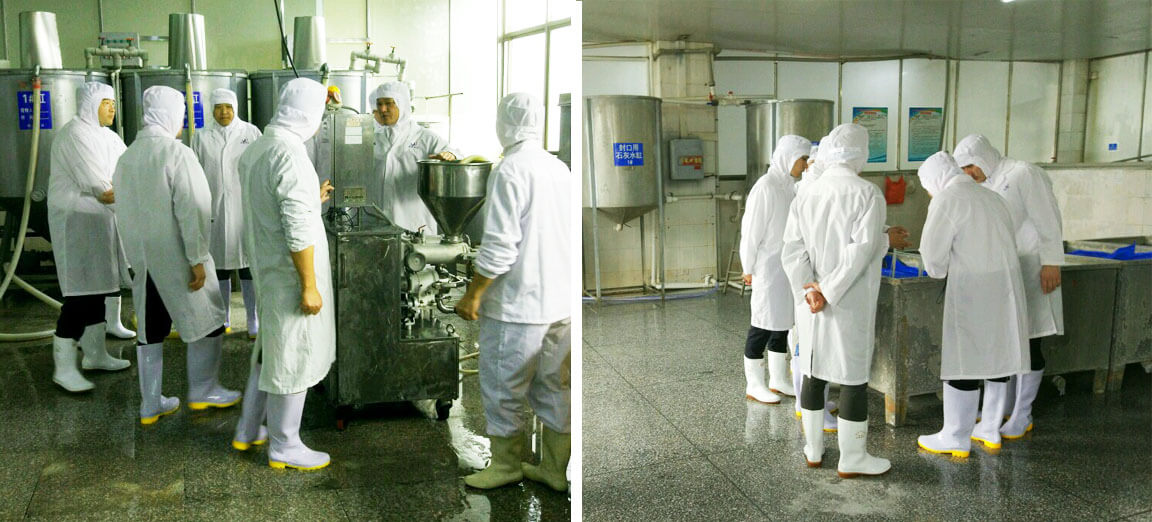
On our website we offer halal guaranteed konjac noodles. This means that our konjac noodles strictly follow the requirements of halal certification during the production process, ensuring the halal concept of the product. The ingredients we use are halal-certified and do not come into contact with any non-halal-certified food during the production cycle. Our production equipment also meets the requirements of Halal certification, ensuring the Halal nature and cleanliness of our products.
Ketoslim Mo's Konjac Noodles Product Range
Our website(www.foodkonjac.com) provides a wide variety of halal certified konjac noodles products to meet the tastes and needs of different consumers. We also offer konjac noodles in different sizes, including thin noodles, wide noodles, and silk knot, to suit your cooking needs.
Konjac Spinach Noodles, Konjac Carrot Spaghetti, Konjac Pumpkin Noodles, Konjac Tomato Pasta, Konjac Pea Noodles, Konjac Penne, Konjac Soba Noodles, Konjac Soybean Noodles, Konjac Lasagne, Konjac Slik Knot, Konjac Cold Noodles, Konjac Soybean Cold Noodles, Konjac Seaweed Noodles, Konjac Oat Noodles, Konjac Gardenia yellow Noodles, Konjac Sweet Potato Noodles, etc
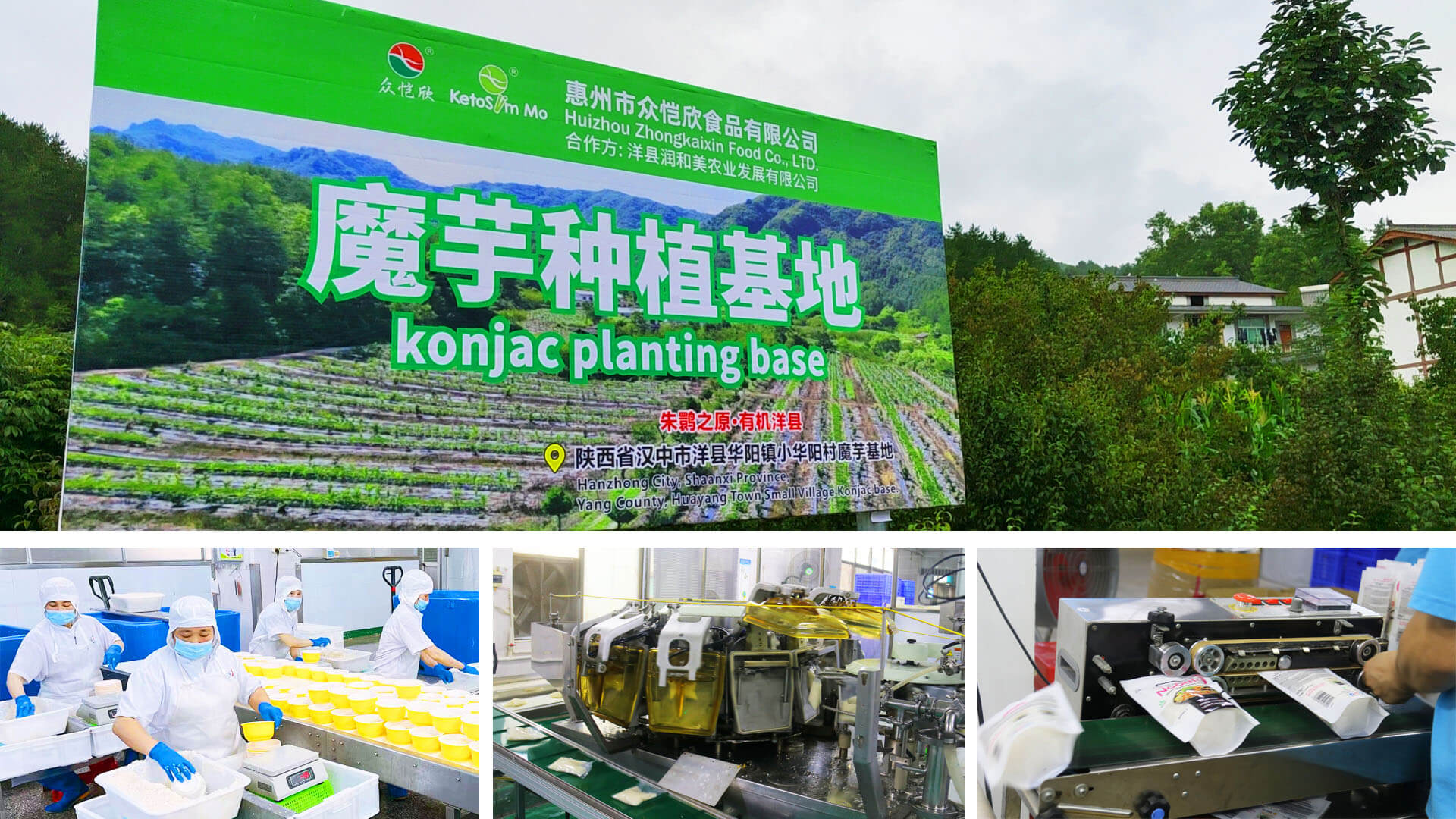
The raw materials used in our Halal certified konjac noodles have undergone strict Halal certification and quality assurance. We cooperate with reliable konjac cultivation bases to ensure that the raw materials meet the requirements of halal certification. We conduct strict screening and inspection of raw materials to ensure the halal and safety of our products.
Ketoslim mo adopts a series of halal certification measures and management measures during the production process to ensure product consistency. Our production process follows the prerequisites of Halal certification and is produced using Halal certified equipment and equipment. Our creative team has received professional training and strictly adheres to halal certified working methods to ensure product quality and reliability. In addition, we are always subject to supervision and evaluation by halal certification bodies or Muslim strict associations to ensure that our konjac noodles products comply with certification guidelines.
With the Halal-ensured konjac noodles accessible on our site, you can have confidence that you are picking top notch, Sharia-agreeable food. We furnish Muslim buyers with a palatable shopping experience with our rich item choice, excellent unrefined components and severe halal confirmation measures. We are focused on turning into your favored halal ensured konjac noodle provider, furnishing you with sound and scrumptious konjac noodle choices.
Advantages of Halal Certification
Halal affirmation offers the accompanying benefits and advantages, making it tenable and cutthroat on the lookout:
Believability: Halal certificate is a legitimate accreditation that food meets the prerequisites of Islamic regulation. The Halal accreditation mark addresses the believability and consistence of items, and Muslim shoppers can feel certain buying Halal-ensured food varieties since they have gone through severe reviews and oversight.
Market Seriousness: As the Muslim populace develops and interest for halal food increments, halal confirmation turns into a cutthroat consider the food business. Getting halal confirmation can empower organizations to hang out in the Muslim market, extend their shopper base and increment piece of the pie.
If you are a catering establishment or food retailer, we strongly recommend that you come to us to purchase halal-certified konjac noodles. Our products meet the prerequisites for Halal certification while also delivering unparalleled quality and taste. We can provide large quantities of konjac noodles to solve your problem. Whether you want konjac noodles as a main element or as a snack, we have the ideal option for you.
Conclusion
On our website you can find detailed data about Halal certified konjac noodles. We provide clear product introduction, nutritional ingredients, production process and other data to help you better understand our products. If you have any questions or need more data, our customer service team is here to help.
All things considered, if you are looking for halal certified konjac noodles, our website is your best choice. Our products comply with the requirements of Halal certificate and are of universal quality and taste. Whether you are a culinary establishment or a food retailer, we can supply you with a wide range of konjac noodles. Please visit our website to research Halal Certified Konjac Noodles, we look forward to working with you!
You May Also Like
You May Ask
Post time: Sep-12-2023